Emergency Steps for a Leaking Roof During Heavy Rain
Imagine this: it is 2 AM, the wind is howling, and a fierce thunderstorm is battering your windows. You are fast asleep until you hear it—the rhythmic, undeniable drip, drip, drip of water hitting your floorboards. For homeowners in southeast Louisiana, sudden severe weather is just a fact of life. But even when you know Hurricane Season is coming, a breached roof never stops feeling like a full-blown crisis.
When water starts invading your living space, panic is a completely natural reaction. Your mind races with thoughts of ruined floors, destroyed keepsakes, and massive repair bills. However, taking quick, decisive action is the only thing that will actually save your property. Knowing exactly what to do when your roof leaks in heavy rain can mean the difference between a minor cleanup and thousands of dollars in structural damage.
At G3 Roofing LLC, we have helped countless neighbors through this exact nightmare. We know the sinking feeling you get when the ceiling starts to sag. Take a deep breath, grab a flashlight, and follow this step-by-step guide to protect your home until the storm passes and the professionals can arrive.
1. Clear the Area and Catch the Water
Your very first priority is simple damage control on the inside of your house. You cannot turn off the rain, but you can definitely protect your favorite rug, your expensive electronics, and your family heirlooms.
Immediately move any furniture, rugs, and valuables away from the drip zone. If a heavy piece of furniture is too cumbersome to move quickly, throw a waterproof tarp or thick plastic sheeting completely over it.
Next, head to the kitchen or garage. Grab the largest buckets, cooking pots, or heavy-duty trash cans you can find and place them directly under the leak. Here is a fantastic insider trick: pin a long piece of string to the wet spot on your ceiling and let it dangle all the way down into your bucket. Water will naturally travel down the string instead of splashing loudly and unpredictably all over your floor.
If you look up and see your ceiling drywall starting to bulge or form a bubble, water is pooling dangerously above it. It feels completely counterintuitive, but you need to take a screwdriver or a small nail and poke a hole right in the center of that waterlogged bulge. This releases the pressure, allowing the water to drain smoothly into your bucket and preventing the entire heavy drywall panel from collapsing onto your floor.
2. Safely Inspect the Attic
Water is incredibly sneaky. It rarely drips straight down from the actual hole in your shingles. It usually runs down rafters or decking before finally finding a weak spot to drop through your ceiling. If—and only if—it is safe to do so, grab a bright flashlight and carefully head up to the attic to track down the true source.
Shine your light around the space and look for obvious signs of water damage in the attic. You are hunting for dark, spreading water stains on the wood, flattened and completely saturated insulation, or even early mold growth fueled by our notorious South Louisiana humidity.
If you can trace the water back to its entry point, you might be able to place a bucket across two sturdy wooden joists to catch the leak before it ever touches your ceiling drywall. A crucial word of warning: always step only on the wooden joists. One wrong step on wet drywall, and you will fall right through the ceiling into the room below.

3. Attempting a Temporary Stopgap
Many panicked homeowners call us wanting to know how to temporarily stop a roof leak while the wind is still howling outside. We need to be incredibly clear on this point: never climb onto your roof during an active storm. Wet shingles are as slippery as black ice, and lightning is a fatal hazard. No home repair is ever worth risking your life.
However, if you are safely inside your attic and have located the exact spot where water is penetrating the wood, you can attempt some basic emergency roof leak repair steps from the inside. Applying a generous amount of roofing cement or pressing specialized waterproof repair tape directly to the underside of the wet decking can sometimes slow the intrusion. This is strictly a temporary bandage to buy you some time.
Once the heavy rain has completely passed, the lightning has stopped, and the roof has dried, you can focus on the exterior. Securing a heavy-duty waterproof tarp over the damaged area with wooden boards and nails will protect your home from the next passing shower until a permanent, professional fix is completed.
4. Document Everything for Insurance
Whether you live in a historic Acadian-style home in Mid City or a sprawling property in a Broadmoor subdivision, sudden roofing repairs are a major, unexpected expense. You will very likely need to navigate a homeowners insurance claim. You can make this notoriously stressful process much easier on yourself by documenting the damage right away.
Take clear, well-lit photos and videos of the active leak inside your home, the pooling water in your attic, the bubbling drywall, and any ruined personal belongings. Sadly, after major weather events, our area is frequently targeted by out-of-state storm chasers who offer cheap, shoddy fixes and disappear into the night.
Having your own thorough documentation allows you to take your time, avoid aggressive high-pressure sales tactics, and choose a reputable, locally licensed contractor who truly has your best interests at heart. We act as a dedicated advocate for our clients during these complex claims, ensuring you get the coverage you deserve.
5. Call in the Local Professionals
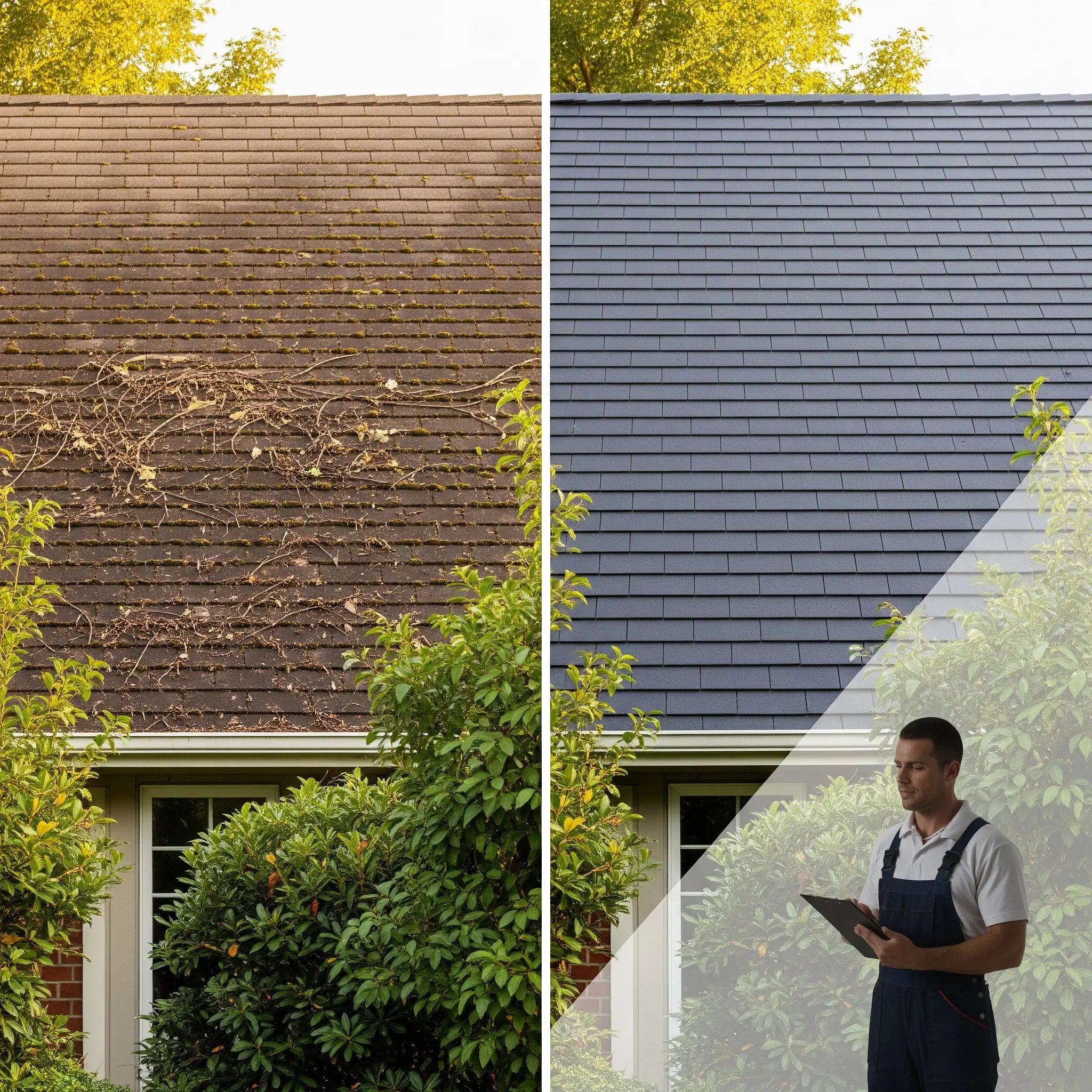
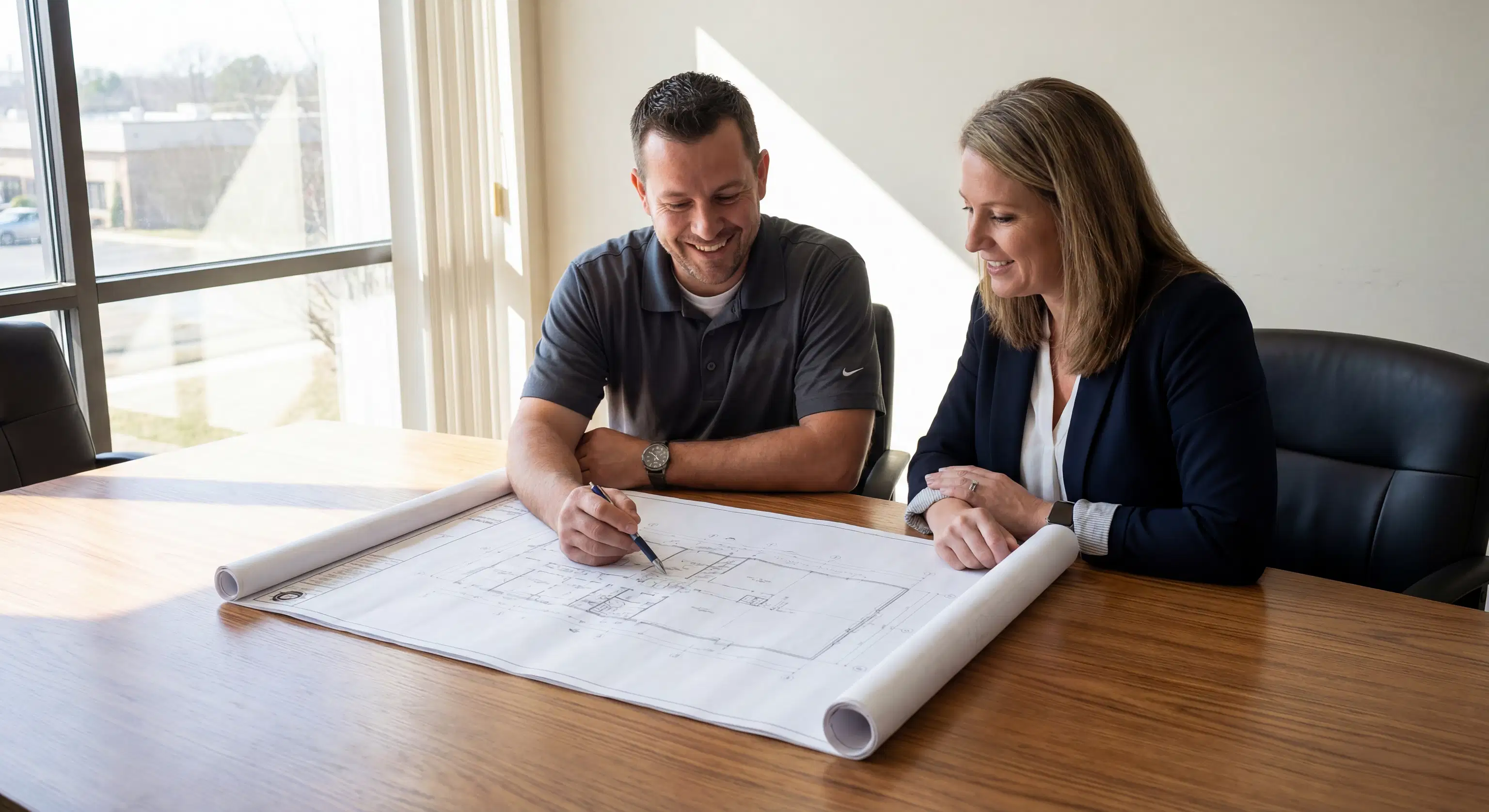
A plastic bucket in the living room and a blue tarp on the roof is not a viable long-term strategy. As soon as the immediate emergency is under control, it is time to call in the experts. Getting a proper roof inspection is absolutely essential to uncover hidden structural damage that could lead to massive, expensive problems down the road.
At G3 Roofing LLC, we use state-of-the-art drone technology to safely, quickly, and accurately assess your property without causing any further disruption to your day. From a highly targeted roof repair for blown-off shingles to navigating complex insurance claims for a total roof replacement, our local team is licensed, bonded, and ready to go to work for you.
Once the dust settles and your home is safe again, we also highly recommend discussing routine roof maintenance to keep your home resilient year-round. Regular check-ups catch failing flashing, brittle sealants, and aging shingles long before the next major storm system enters the Gulf.
We Are Your Neighbors in the Red Stick
Dealing with sudden home damage is exhausting, frustrating, and incredibly stressful. But you do not have to weather the storm alone. You need a trusted local partner who understands our unique, challenging climate, respects your home, and builds robust roofs that are truly meant to last.
If you are dealing with the aftermath of a severe storm or a persistent, nagging leak, do not wait for things to get worse. Reach out to G3 Roofing LLC today. Head over to our Contact Us page to schedule your comprehensive inspection, and let us bring safety, comfort, and total peace of mind back to your home.